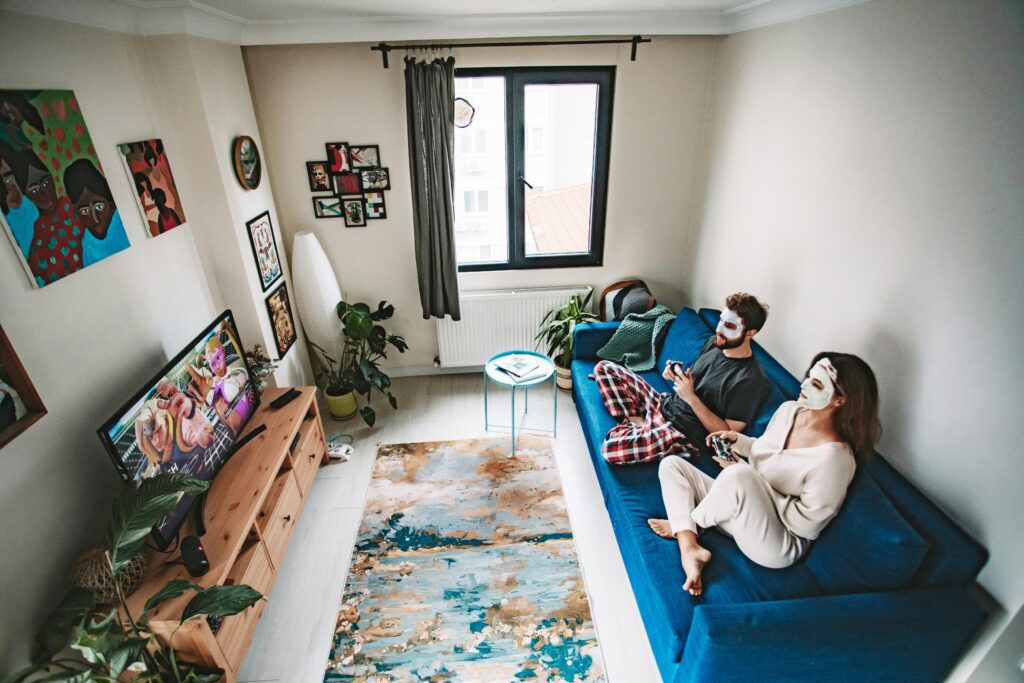
In today’s world, screens are everywhere. From cartoons on TV to immersive PlayStation games, children are spending more time indoors and online than ever before. As a parent, you may often wonder: Is TV time better for kids, or is PlayStation gaming healthier?
The truth is—both can be beneficial and harmful depending on how they are used. In this guide, we’ll break down the pros and cons of TV vs PlayStation for children, and help you decide which option is better for your child’s age, learning, and development.
Why Screen Time Matters for Children
Screen time affects children in many ways, including:
- Brain development
- Attention span
- Social skills
- Sleep quality
- Physical activity
- Eye health
The key issue isn’t only screen time, but also the type of screen content and how interactive it is.
TV Time for Children: Pros and Cons
TV is considered passive entertainment. Kids usually sit, watch, and absorb what’s shown.
✅ Benefits of TV Time for Kids
1. Educational Content Is Widely Available
Modern TV programs include educational cartoons, documentaries, and learning channels. Shows that teach math, science, languages, and moral lessons can be helpful—especially for younger children.
Examples include:
- Alphabet learning shows
- Animal discovery programs
- Science-based cartoons
- History and nature documentaries
2. Less Addictive Than Gaming (Usually)
TV episodes have a clear ending. Many kids stop naturally after a show finishes, unlike gaming where levels and missions continue.
3. Family-Friendly Shared Time
TV can become a family activity. Watching together encourages discussion and bonding.
❌ Disadvantages of TV Time for Children
1. Passive Viewing Reduces Creativity
Kids don’t think or participate actively. Too much TV can reduce imagination and problem-solving development.
2. More Exposure to Ads and Bad Content
Even with kids channels, advertisements may encourage unhealthy food habits, unrealistic expectations, or consumerism.
3. Increased Risk of Laziness and Obesity
TV encourages long sitting hours without movement.
PlayStation Gaming for Children: Pros and Cons
PlayStation is interactive entertainment. Kids play, make decisions, and react in real time.
✅ Benefits of PlayStation for Kids
1. Improves Hand-Eye Coordination
Gaming improves reflexes and coordination, especially action, racing, and sports games.
2. Enhances Problem Solving and Strategic Thinking
Many PlayStation games require:
- planning
- teamwork
- logic
- quick decision-making
Puzzle and adventure games can improve cognitive skills.
3. Multiplayer Games Improve Social Skills
Some games allow kids to play with friends online or locally. This can improve communication, collaboration, and teamwork.
4. Builds Confidence Through Achievement
Winning matches, completing levels, and learning skills gives children a sense of progress and accomplishment.
❌ Disadvantages of PlayStation for Kids
1. Higher Risk of Addiction
PlayStation gaming is designed to keep players engaged. Rewards, rankings, and achievements can make it harder for kids to stop.
2. Exposure to Violent or Inappropriate Games
Many popular PlayStation games contain violence, strong language, or adult themes. Without supervision, children may access content that affects behavior and mindset.
3. Online Gaming Can Be Unsafe
Online multiplayer gaming may expose kids to:
- strangers
- toxic language
- bullying
- inappropriate chats
Parental controls are essential.
4. Can Affect Sleep and Mood
Late-night gaming increases excitement and reduces sleep quality. It may also lead to irritability and aggression if the child loses or gets frustrated.
TV vs PlayStation: Which Is Healthier for Children?
To decide which is better, we need to compare both based on key child development factors.
1. Learning and Education
- TV wins for younger kids because educational content is easier to absorb.
- PlayStation wins for older kids because interactive learning builds thinking skills.
✅ Winner: Depends on age
2. Creativity and Brain Development
- TV is passive and can reduce creativity if overused.
- PlayStation can improve problem-solving and creativity in story-based or sandbox games.
✅ Winner: PlayStation (if age-appropriate games are chosen)
3. Physical Activity
Both reduce physical movement, but gaming sometimes involves motion games (like sports or VR).
However, both can still lead to sedentary habits if limits are not set.
✅ Winner: Neither (both need balance)
4. Social Skills
- TV is mostly individual viewing unless watched with family.
- PlayStation offers multiplayer gaming but also online risks.
✅ Winner: PlayStation (with supervision)
5. Risk of Addiction
- TV is easier to stop.
- Gaming is more engaging and addictive.
✅ Winner: TV
Which Is Better for Kids by Age Group?
👶 Ages 2–5 (Toddlers and Preschoolers)
At this stage, children learn best through real-life interaction, physical play, and communication.
Best Option:
✅ Limited TV time with educational content
❌ PlayStation is not recommended
🧒 Ages 6–10 (Primary School Children)
Kids become curious and enjoy interactive learning.
Best Option:
✅ Both are okay in moderation
- TV for educational programs
- PlayStation for simple puzzle or sports games
👦 Ages 11–15 (Pre-Teen and Teen)
This age group is more independent and social.
Best Option:
✅ PlayStation can be better if monitored
- strategy games
- sports games
- educational games
But violent content and online gaming should be controlled.
What Experts Recommend: Screen Time Limits for Kids
Most child development experts recommend:
- Ages 2–5: 1 hour per day
- Ages 6–12: 1–2 hours per day
- Teens: balanced screen time with healthy lifestyle
More important than the hours is quality screen content and maintaining:
- outdoor play
- social time
- reading
- proper sleep
How Parents Can Make TV and PlayStation Safe
Here are practical tips every parent should follow:
✅ Set a Fixed Daily Screen Schedule
For example:
- 30 minutes TV
- 30 minutes PlayStation
- only after homework
✅ Use Parental Controls
PlayStation has built-in parental controls to restrict:
- games by age rating
- online chat access
- spending limits
- screen time duration
✅ Choose Age-Appropriate Games
Avoid games with violence, horror, or mature themes. Prefer:
- sports games
- racing games
- puzzle games
- adventure games with positive storylines
✅ Encourage Breaks Every 30 Minutes
This reduces eye strain and prevents long sitting hours.
✅ Keep Screens Out of Bedrooms
TV and PlayStation should be in a common area so parents can monitor usage.
So, Which Is Better: TV Time or PlayStation?
⭐ The Final Answer:
PlayStation can be better than TV because it is interactive and improves problem-solving, coordination, and strategic thinking.
However, TV is safer and less addictive, especially for younger kids.
Best Choice for Most Families:
✅ A balanced mix of both, with strict time limits and supervision.
The Real Winner: Outdoor Play and Physical Activity
While parents often debate TV vs PlayStation, the real winner for children’s development is:
- outdoor play
- sports
- social interaction
- creative activities
- reading and learning
Screens should support entertainment and learning—not replace real childhood experiences.
Conclusion
TV time and PlayStation gaming both have advantages for children. TV is passive but educational and easy to control. PlayStation is interactive and mentally stimulating but carries higher addiction and online risks.
If you want the best outcome for your child:
- control screen time
- choose good content
- encourage outdoor activities
- stay involved as a parent
Because in the end, it’s not about TV or PlayStation—it’s about balance.
Frequently Asked Questions (FAQs)
Is PlayStation harmful for children?
Not always. It can be beneficial if kids play age-appropriate games with limited screen time.
Is TV better than gaming?
TV is better for younger kids because it’s less addictive and easier to monitor.
How much PlayStation time is okay for kids?
1 hour per day is generally safe if homework, sleep, and outdoor activity are not affected.
Can PlayStation improve brain development?
Yes. Games can improve memory, strategy, coordination, and problem-solving skills.